The Impact of Roofing Choices on Building Efficiency in Latham, NY
Selecting energy-efficient roofing materials and incorporating intelligent design features can enhance the overall building efficiency in Latham, NY. Utilizing cool roof technology and ensuring adequate insulation helps maintain a comfortable temperature within the building, keeping it cool during the summer months and warm during the winter season. Implementing strategic roof upgrades could potentially reduce your energy expenditures by up to 30%.
Incorporating attic insulation, optimizing ventilation systems, and exploring sustainable green roof installations are all effective strategies for promoting energy conservation. Regular maintenance is critical for maintaining these efficiency gains over time. Each decision you make regarding your roof influences the building's operational performance and associated costs. Make well-informed choices to significantly optimize your building's energy efficiency and realize notable cost savings.
Energy-Efficient Roofing Materials
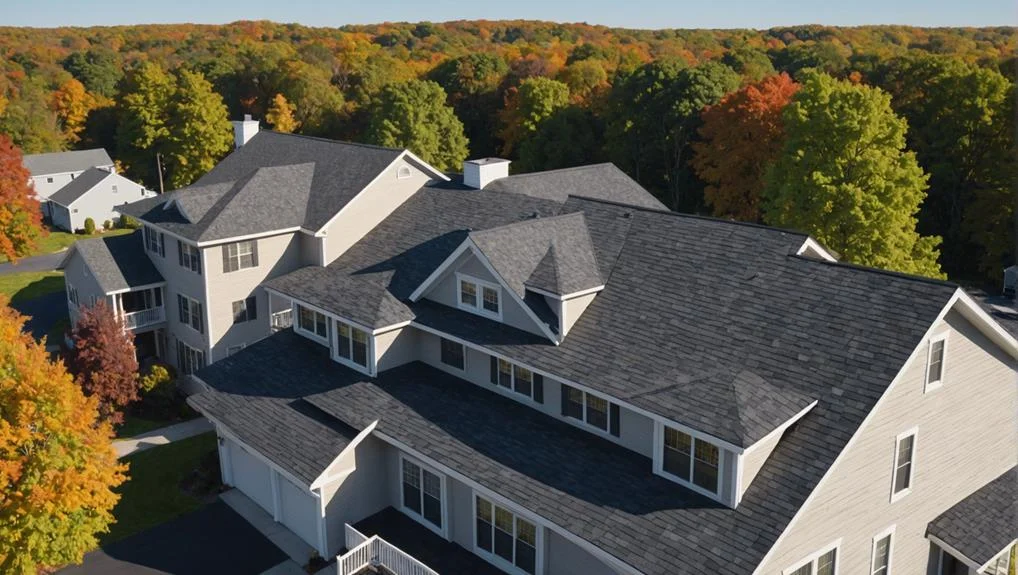
Selecting energy-efficient roofing solutions is pivotal for diminishing building energy usage and enhancing efficiency metrics in Latham, NY. A prime choice is the implementation of cool roofs, specifically reflective roofing systems, which excel in reflecting solar radiation and minimizing thermal absorption.
Through the adoption of such materials, there's a notable reduction in thermal ingress within structures, which can lead to considerable energy conservation. Furthermore, these energy-efficient roofing solutions are instrumental in capitalizing on solar energy, facilitating sustainable power solutions.
Essential to the roofing strategy are the elements of robust insulation and effective ventilation. These features are crucial not only for thermal regulation indoors but also for sustaining an optimized building envelope.
Smart Roof Design Elements

When evaluating intelligent roof design elements, optimizing sunlight exposure through considerations such as roof slope and direction is essential for boosting energy efficiency in architectural structures. The inclination and orientation of the roof critically influence passive thermal management and climate control within the edifice.
Architectural extensions such as roof overhangs furnish natural shading, diminishing the reliance on artificial cooling and augmenting energy conservation. Integrated photovoltaic (PV) design elements are crucial in maximizing solar energy harvest and enhancing the overall energy efficacy of the building. The strategic alignment of the roof is a pivotal factor, as it governs the interactions with solar radiation and atmospheric wind patterns, which in turn directly affects energy expenditures.
Moreover, the implementation of cool roofing technologies, engineered to reflect solar rays, aids in lowering the demand for air conditioning, thereby boosting energy preservation. By integrating these intelligent roof design elements, coupled with effective insulation and airflow management techniques, structures can markedly decrease energy usage and heighten overall thermal mass efficiency.
Insulation and Ventilation Practices

To optimize building performance in Latham, NY, the adoption of robust insulation and ventilation strategies is essential. Attic insulation is pivotal in mitigating thermal transfer and ensuring optimal thermal management within a structure. By fortifying the attic's insulation layer, you can significantly diminish the demand for heating and cooling systems, fostering enhanced energy conservation.
Adequate ventilation is imperative to curtail moisture accumulation, which can adversely affect energy conservation. Ensuring efficient air circulation through advanced ventilation methodologies is crucial for boosting energy performance in edifices.
Incorporation of radiant barriers within the roofing architecture, particularly in warmer climates, can reflect solar energy and further augment energy conservation. Additionally, green roofs, which provide organic insulation and assist in thermal management, are a viable option.
Maintenance for Sustained Efficiency

Regular maintenance is essential for the optimal performance of roofing systems, playing a critical role in preventing energy loss and ensuring long-term effectiveness. Timely inspections and immediate resolution of issues are key strategies to maintain the energy efficiency of your building's infrastructure.
Implementing energy-efficient materials in roofing can substantially elevate the roof's overall energy performance and sustainability, despite the initial cost involved. These enhancements not only lead to considerable energy savings but also provide extended benefits.
Consistent upkeep and strategic upgrades are imperative for maintaining the prolonged efficiency of your roof. By focusing on efficient energy utilization through proper maintenance protocols, you can optimize your roof's functionality and reduce energy expenditure.
Investing in the maintenance and upgrades of your roof should be viewed as a commitment to the long-term energy efficiency and environmental sustainability of your facility.
Frequently Asked Questions
What Are the Factors That Affect the Selection of Roof for a Building?
When selecting a roof for a structure, evaluate elements such as the roof's slope, its orientation relative to the sun, and the building's specific energy efficiency requirements. Consider installing cool roofs to effectively reflect sunlight and minimize the building's cooling needs. Employ roof overhangs to provide shade and leverage passive solar heating advantages.
Investigate the possibilities of integrating solar panels in the roof design for optimal energy harvesting. The local sun exposure and prevailing wind conditions should also be assessed as they influence the performance of energy-saving strategies on roofing systems. By carefully considering these aspects, you can significantly enhance the energy efficiency and sustainability of your construction.
How Can Roofing Materials Help Make Homes More Energy Efficient?
When choosing roofing materials, evaluate attributes such as thermal resistance (R-value), solar reflectivity (albedo), and longevity to enhance your home's energy efficiency. Select advanced solutions like photovoltaic solar roof tiles or vegetative green roofs for significant reductions in energy usage.
Appropriately selected materials are key in maintaining optimal indoor climate control, diminishing the demand for artificial heating or cooling. The type of roofing you install is pivotal in determining your household's energy expenditure and its overall ecological footprint.
What Determines Which Type of Roof You Choose for a Building?
When selecting a roofing system for your structure, critical determinants such as geographical location, prevailing climate conditions, roof pitch, and directional orientation are pivotal. Compliance with regional construction regulations, financial constraints, and potential long-term cost reductions further shape your decision.
Evaluate the longevity and upkeep requirements of diverse roofing materials to optimize the energy efficiency of the building.
How Does Roofing Affect the Environment?
When contemplating the environmental implications of roofing, it's essential to evaluate the diverse materials and their effects on energy consumption and the emission of greenhouse gases.
Utilizing reflective roofing materials can mitigate the effects of urban heat islands, thereby decreasing ambient temperatures. By enhancing the energy efficiency of roofs, there's a consequential reduction in the demand for cooling energy, which in turn diminishes emissions from power plants.
Certain roofing selections can contribute to combating global warming by increasing the amount of sunlight reflected back into the atmosphere. Opting for environmentally friendly roofing solutions promotes sustainable building practices that are mindful of ecological balance.
Conclusion
Choosing the right roof for your building in Latham, NY can really help cut down on your energy costs. When you pick materials that keep heat in during winter and out during summer, design your roof smartly, ensure good insulation and ventilation, and keep it in good shape, you'll boost your building's energy efficiency.
Be smart about your roofing choices to save more energy and make your property more environmentally friendly.